Home › Gravel-to-Asphalt Conversions
Tired of mud, ruts, and dust from your gravel drive. Our gravel to asphalt driveway conversions in Kansas City, MO turn rough surfaces into smooth, low maintenance blacktop. We rebuild the base where needed, correct drainage, and install asphalt that is easier to drive on and plow in winter.
Precision Asphalt Kansas City provides professional gravel to asphalt driveway throughout Kansas City, MO, Missouri and the surrounding area. Our licensed, insured crew delivers safe, clean, on-time work with a free estimate before anything begins. Call (816) 326-1167 or request your free quote.
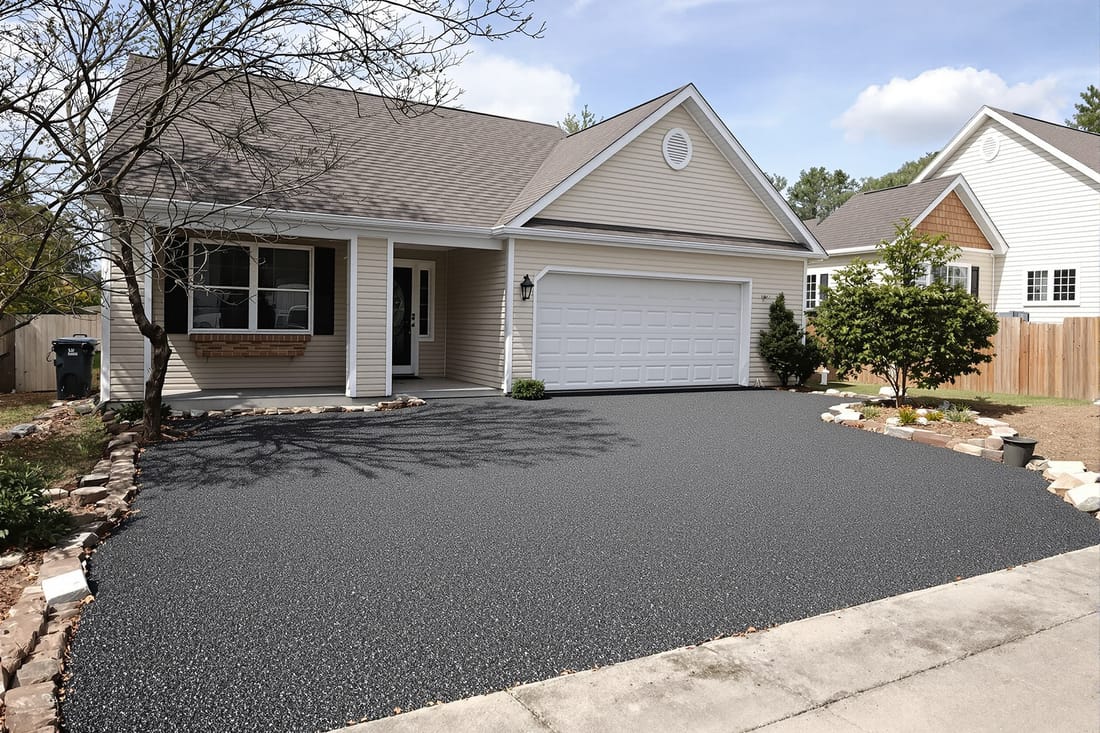
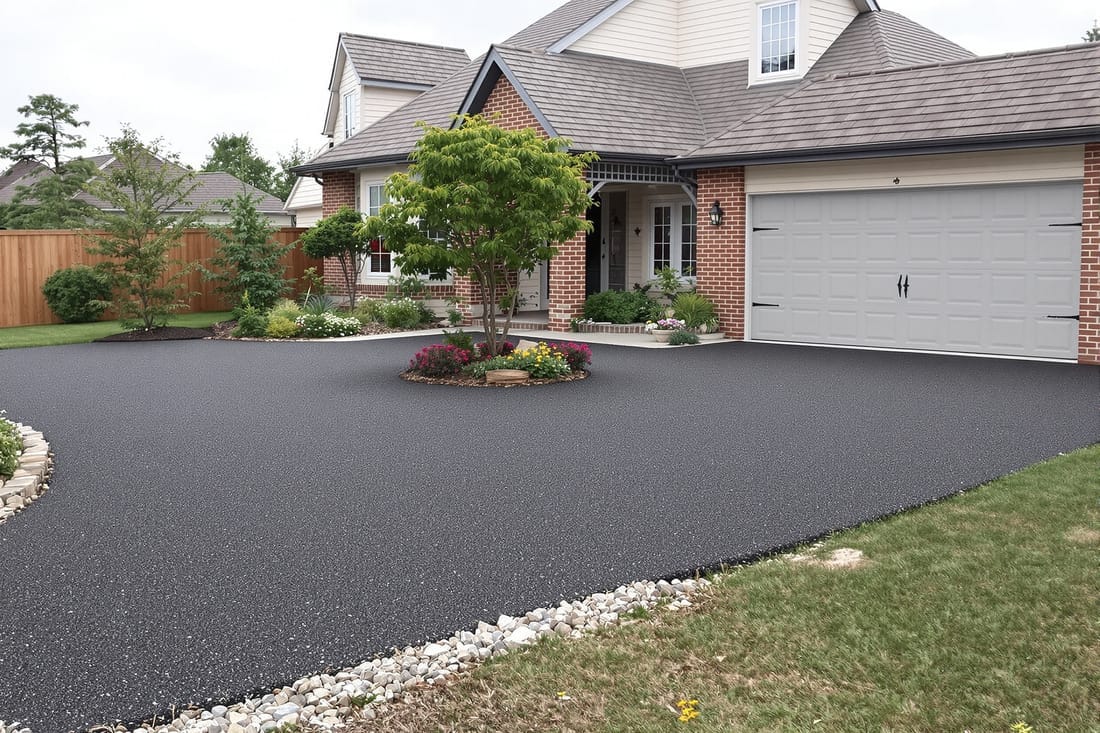
Turn Your Gravel Driveway Into a Smooth Asphalt Surface
A gravel driveway can be dusty in summer, muddy in spring, and rutted after every Kansas City rain or freeze. Converting that gravel to asphalt gives you a clean, solid surface that is easier to maintain, safer to walk and drive on, and more attractive from the street.
Precision Asphalt Kansas City specializes in gravel-to-asphalt driveway conversions across the Kansas City, MO area. We do not just pave over the top of the gravel. We inspect and rebuild the base where needed, correct drainage issues that are common in our clay soils, and then install hot mix asphalt at the right thickness for your traffic and slope.
Our crews work all over Jackson County and nearby suburbs, so we understand how local weather, tree roots, and hills affect a driveway over time. When we recommend a design, we are basing it on what survives our freeze-thaw cycles, from late winter ice to heavy summer storms, not just what looks good on day one.
How We Convert a Gravel Driveway to Asphalt in Kansas City
Every gravel to asphalt driveway project starts with a site visit. A Precision Asphalt Kansas City estimator will walk the full length of your drive, look at how water flows during a storm, check the existing gravel depth, and note soft spots or areas that heave in winter. We use that information to decide whether your current base can be reused or if part of it needs to be rebuilt.
Step 1: Grading and base repair. We start by cutting out rutted or pumped-up sections of gravel and any organic material. In Kansas City, it is common to find pockets of soft clay under older drives. Where needed, we undercut those areas and replace them with compacted aggregate rock, typically 3/4 inch minus limestone or similar material. Then we machine grade the driveway to establish a consistent crown or cross-slope for drainage.
Step 2: Compaction. We compact the base with a vibratory roller in several passes. For a typical residential driveway, we aim for at least 4 to 6 inches of well packed aggregate. If you plan to park trailers, RVs, or work trucks, we may recommend a thicker base to prevent rutting in hot Missouri summers.
Step 3: Edge definition. Before paving, we define the edges with either straight cuts into the yard, a shallow swale, or, if requested, concrete or stone edging installed by others. Proper edges help keep asphalt from unraveling where car tires frequently break off the edge.
Step 4: Hot mix asphalt installation. We place hot mix asphalt delivered from a local plant, not cold patch, at a thickness typically between 2 and 3 inches after compaction for most gravel to asphalt driveways. Asphalt is laid with a paver when access allows, or by machine and hand for tight spaces, then rolled to a smooth, dense finish.
Step 5: Final rolling and clean up. We complete a final roller pass to seal the surface, then check transitions to the street, garage slab, and sidewalks so there are no abrupt bumps. The crew cleans up loose gravel, rake lines, and excess material before leaving so your property is ready to use once the asphalt has cooled.
Material Choices, Design Options, and Kansas City Weather Considerations
Converting a gravel driveway to asphalt is not one size fits all. At Precision Asphalt Kansas City, we adjust the design based on your soil, slope, and how you use the drive.
Asphalt mix types: For most residential drives we use surface grade hot mix asphalt designed for light to moderate traffic. On longer rural drives or locations with occasional heavier loads, we may recommend a base course plus a finer surface course. This two-layer approach can handle more weight and reduces the risk of surface cracking over our Missouri winters.
Thickness options: A basic gravel to asphalt driveway might receive 2 inches of compacted asphalt on a solid base. For hilly lots, frequent delivery trucks, or work vehicles, we usually recommend 3 inches or more. The added thickness costs more up front but significantly reduces the risk of depressions and alligator cracking.
Drainage design: Kansas City storms can drop heavy rain in a short period, and our clay soils do not drain quickly. We pay close attention to fall (slope) away from your home and garage. In some cases we will recommend shallow ditches, a French drain installed by others, or flared areas where water can spread out and soak in without washing away the driveway edge.
Edge and layout options: During a gravel-to-asphalt conversion, many homeowners choose to slightly widen parking areas, smooth tight curves, or fix awkward turns. We can adjust the layout to give you a more usable turn-around, extra parking near the garage, or a gentler approach to the street so your car does not scrape.
What Affects the Cost of a Gravel to Asphalt Driveway Conversion
Homeowners in Kansas City often ask why there is such a wide price range for gravel to asphalt driveway projects. The biggest cost drivers are hidden in the ground, not in the asphalt itself.
Base condition: If your current gravel driveway was originally built on compacted aggregate and has only moderate rutting, we may be able to reuse much of that base, which lowers your cost. If the drive sinks every spring, or you see standing water that does not go away, that usually means soft subgrade or insufficient base thickness. Correcting this requires excavation, import of new rock, and more compaction time.
Length, width, and access: Long, narrow rural drives involve more equipment time and trucking, especially if the plant is further away. Narrow city drives with tight turns or limited access might require more hand work and smaller equipment. Both factors influence the labor side of your estimate.
Slope and drainage work: Steep drives or those that need water management improvements, such as small ditches, berms, or swales, add grading time. However, trying to save money by skipping drainage fixes usually costs more later when water damage leads to cracking and potholes.
Asphalt thickness and mix: Thicker asphalt and multi-layer systems cost more but last longer and perform better under heavy use. During your estimate, we will give you a couple of options instead of a single take-it-or-leave-it number, so you can choose the balance of initial cost and long-term durability that fits your budget.
Permitting or HOA requirements: In Kansas City, MO itself, a standard private residential driveway on your own property typically does not require a separate paving permit, but if we are working in the public right of way or changing your connection to the street, the City may require approval. Some HOAs in nearby suburbs require prior review of driveway changes, including surface type and color. We help you understand what documentation you may need so there are no surprises.
Common Problems With Old Gravel Drives and How We Fix Them
Moving to asphalt is a chance to correct problems that have bothered you for years. During the planning of your gravel-to-asphalt conversion, we talk through what you want to change, not just what you want to cover.
Ruts and washouts: Repeated ruts mean the base is moving, not just the surface gravel. We cut out those areas, sometimes 8 to 12 inches down, then rebuild with compacted rock. On sloped drives east of downtown and in the Northland, we often adjust the alignment slightly to slow water down and direct it away from problem spots.
Mud and soft spots: Where water collects, gravel seems to disappear into the ground. In Kansas City clay this is usually a drainage and base issue. We may recommend undercutting to a more stable depth, placing geotextile fabric to separate soil from the rock base in severe cases, then rebuilding with aggregate.
Dust and tracking: Dust from gravel drives can cover vehicles and blow into open windows in summer. A properly compacted asphalt surface dramatically reduces dust and also keeps small stones from tracking into your garage and home. We pay attention to tie-ins at doors so there is a clean, minimal lip that you can easily shovel or sweep in winter.
Edge breakdown: Gravel drives tend to sprawl wider over time as vehicles push stone outward. When we convert to asphalt, we create a defined edge and may recommend a wider paved width in high traffic areas so drivers are not forced to ride the edge and cause premature cracking.
What to Expect When You Hire Precision Asphalt Kansas City
We aim to make your gravel to asphalt driveway project straightforward and predictable from the first visit to the final roller pass.
On-site consultation and written proposal: After our site evaluation, you receive a written proposal that outlines the scope of base work, asphalt thickness, drainage adjustments, and any options we discussed. We list what is included and what is not, such as tree removal or underground utility relocation, so you are not left guessing.
Scheduling and preparation: Once you approve the proposal, we schedule your job based on plant operating hours and weather. Asphalt should not be installed on saturated ground or in heavy rain, which is why we watch Kansas City forecasts closely. We ask that you move vehicles and trailers off the driveway and let neighbors know about limited access during the work days.
Construction process: Most residential gravel-to-asphalt conversions take one to two days, depending on length and the amount of base repair. You will see grading and base work first, followed by asphalt placement and rolling. A foreman is on site to answer questions and review any small adjustments, such as fine tuning the slope near entrances.
Aftercare and maintenance: You can usually walk on the new asphalt the same day and drive on it within 24 hours once it has cooled. For the first few months, we recommend avoiding sharp turns in one place, heavy jack stands, and parking in the same spot every day during hot weather. Precision Asphalt Kansas City will go over sealing options and realistic timelines. In our climate, many homeowners choose to seal within the first 1 to 2 years, then as needed to protect against oxidation and moisture.
If you are considering turning your gravel driveway into a smooth asphalt surface, we are happy to visit your property, explain your options in plain language, and provide a clear, local price based on your actual conditions, not a generic square foot number.